Beer spas are not a modern invention of the wellness industry – their roots go deep into the Middle Ages. From monastic breweries in the heart of Europe to luxury spa centres in major cities, the story of beer baths is a fascinating journey across centuries. How did a regional Czech tradition become a phenomenon that is now conquering the entire continent?
Medieval Origins
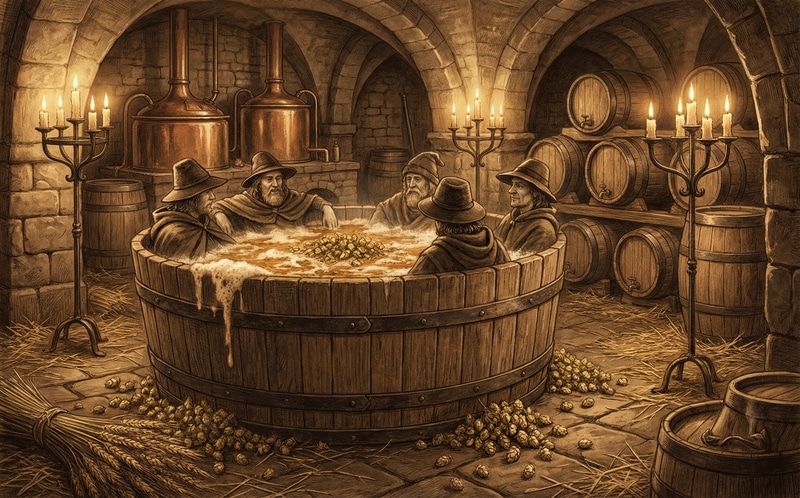
The first mentions of using beer and brewing ingredients for medicinal purposes date back to the 13th century. Medieval monks, who were pioneers of brewing in Europe, soon noticed that by-products of beer production – especially spent grain, yeast and hop waste – had beneficial effects on the skin and overall health.
In monasteries across Bohemia and Bavaria, these ingredients began to be added to baths. The monks observed that people who regularly worked with brewing ingredients had remarkably healthy and supple skin. This was no coincidence – beer contains dozens of biologically active substances that have positive effects on the human body.
"He who bathes in beer, his skin blossoms and his soul rests." – Chronicle of the Benedictine Monastery in Břevnov, 14th century
In medieval baths, beer baths were used primarily for treating skin conditions, rheumatic problems and overall regeneration. Scientific evidence didn't exist at the time, but the experience of generations spoke clearly – beer in a bath helps.
The Czech Beer Tradition
The Czech Republic is undoubtedly a beer superpower. With an average consumption exceeding 128 litres of beer per person per year, Czechs have held the world record for more than two decades. Beer isn't just a drink – it's part of Czech identity, culture and everyday life.
It's precisely this deep connection with beer culture that has created ideal conditions for the development of beer spas. The Czech Republic boasts:
- A long brewing tradition – more than 600 active breweries, from monastic to craft
- Premium ingredients – Žatec (Saaz) hops are considered the finest in the world
- A spa culture – Karlovy Vary, Mariánské Lázně and dozens of other spa towns have shaped the wellness tradition for centuries
- Strong wellness tourism – the Czech Republic welcomes over 20 million tourists annually, many of whom specifically seek wellness experiences
The merger of these two traditions – brewing and spa culture – was a natural step. At the turn of the millennium, the first modern beer spas began to appear, elevating the traditional concept to the level of a luxury wellness experience.
Health Benefits of a Beer Bath
Modern dermatological studies confirm what medieval monks knew intuitively. A beer bath contains four key components with proven effects on the human body:
- Hops (Humulus lupulus) – contain lupulin and humulone, substances with notable anti-inflammatory and calming effects. Hops help soothe irritated skin, reduce stress and promote quality sleep. Studies published in the Journal of Cosmetic Dermatology confirm the antioxidant properties of hop extracts.
- Brewer's yeast – a rich source of B vitamins (especially B2, B5 and B7), which play a key role in skin regeneration. Yeast supports the formation of new cells, improves skin elasticity and helps heal minor injuries.
- Barley malt – contains polysaccharides and enzymes that intensively hydrate the skin. Malt acts as a natural emollient, leaving the skin soft and nourished. Maltose and other sugars in malt bind moisture in the skin.
- Carbon dioxide (CO₂) – fine bubbles in the beer bath stimulate blood circulation, dilate blood vessels and improve blood flow to the skin and deeper tissues. This effect is similar to natural carbonated baths used in balneotherapy.
The combination of these components creates a synergistic effect that cannot be achieved by any of them alone. This is precisely why a beer bath is so unique and effective – it works with a full range of natural substances simultaneously.
Modern Beer Spas
The breakthrough moment in the history of beer spas came when the traditional concept was combined with modern technologies and wellness industry standards. Lázně Pramen stands at the forefront of this transformation.
Unlike historical baths, where beer was simply added to a tub, modern beer spas use sophisticated processes:
- Patented recipes – a precise combination of hops, yeast and malt in optimal ratios for maximum skin benefit
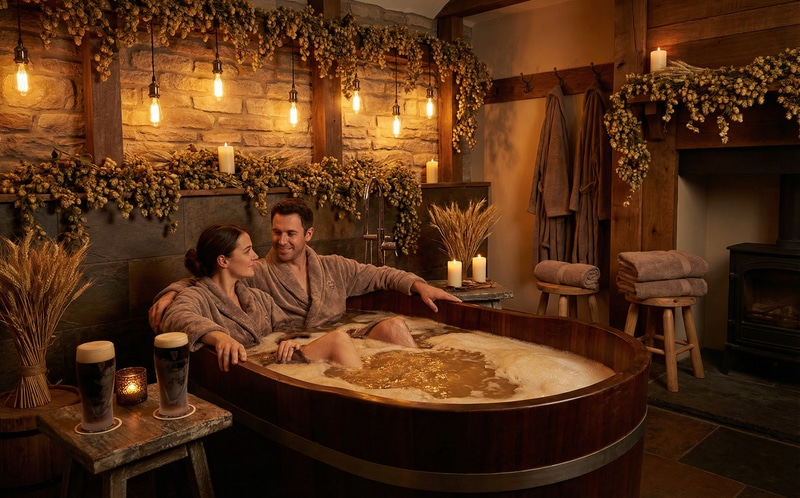
- Handcrafted oak tubs – traditional craftsmanship with modern hygiene standards, each tub seats 2–4 people
- Regulated temperature – water at 35–37 °C ensures ideal absorption of active ingredients
- Unlimited fresh beer – guests can enjoy draught beer straight from the tap by the tub throughout the procedure
- Relaxation zone – after the bath, guests rest on straw beds where the active substances continue to work on the skin
This comprehensive approach has transformed the beer bath from a simple tradition into a sophisticated wellness experience that appeals to a discerning international clientele. Lázně Pramen now operates branches in several European cities, and their concept has become a model for the entire industry.
The European Beer Spa Boom
From the Czech Republic, the beer spa trend quickly spread across Europe. Key milestones in this development include:
- Germany – beer culture in Bavaria and Saxony created a natural foundation for the development of beer spas. Cities like Munich, Berlin and Dresden now offer dozens of facilities.
- Austria – the combination of Alpine wellness tradition with beer baths has become a hit among tourists in Salzburg and Vienna.
- Hungary – Budapest, a city with a rich bathing history, has embraced beer spas as a natural extension of its thermal tradition.
According to Czech Tourism data, interest in beer wellness experiences in Europe is growing year-on-year by 15–20%. More and more travellers are seeking authentic cultural experiences, and beer spas fulfil exactly this demand – combining local tradition, health benefits and an unforgettable experience.
The expansion of the Lázně Pramen network to more European cities is direct evidence of this growing demand. Each new branch brings Czech beer tradition to a new cultural context and adapts it to local customs.
The Future of Beer Spas
Beer spas are on the threshold of the next phase of their development. Several trends are shaping the future of this industry:
- Wine spas – Lázně Pramen has already expanded its offering to include wine baths that utilise antioxidants from grapes (resveratrol, polyphenols). The combination of beer and wine treatments creates a unique spa menu.
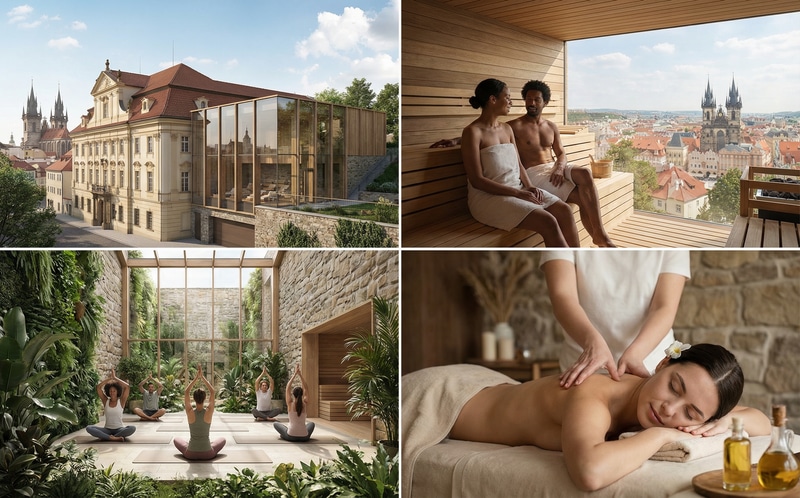
- Combined treatments – beer baths complemented by massages, aromatherapy and other wellness services for comprehensive body and mind regeneration.
- Technological innovations – modern filtration, precise temperature regulation and automated ingredient dosing increase both effectiveness and comfort of treatments.
- Sustainability – using by-products of brewing is inherently ecological. Future innovations will focus on further reducing the environmental footprint.
- Personalisation – based on skin type and individual needs, it will be possible to customise the bath composition for each guest.
The European wellness market is growing at a rate of over 10% per year, and beer spas are among its most dynamic segments. With growing interest in authentic, culturally rooted experiences and natural treatments, beer spas have a promising future ahead.
Conclusion
From medieval monastic baths to modern wellness centres – the history of beer spas is a story about the power of tradition that has managed to adapt to the modern era. Czech beer culture has given the world not only excellent beer, but also a unique wellness concept that is now conquering all of Europe.
Lázně Pramen continues this tradition and brings it into the 21st century. Want to become part of this story? Explore our franchise opportunities or contact us – we'd love to show you how a Czech tradition is becoming a pan-European phenomenon.
Sources
- Czech Beer and Malt Association – Czech Beer
- Journal of Cosmetic Dermatology – study on the antioxidant and anti-inflammatory effects of hop extracts on the skin
- Czech Tourism – Tourism Statistics and Trends in the Czech Republic