Wellness tourism is among the most dynamically growing segments of global travel. People around the world are increasingly seeking experiences that combine relaxation, health and authentic cultural elements. The year 2026 brings new trends that are changing the rules of the game – from personalised wellness programmes to unique concepts such as beer and wine spas.
The Global Wellness Market
According to the Global Wellness Institute, the global wellness market has reached a value of $5.6 trillion and is growing at an average rate of approximately 10% per year. Wellness tourism accounts for over $800 billion of this volume and represents one of the fastest growing segments of the travel industry overall.
The main drivers of growth are:
- Ageing population – growing demand for preventive care and regeneration
- Post-pandemic shift – increased emphasis on mental health and wellbeing
- Middle class in emerging economies – a new customer segment with growing purchasing power
- Experience economy – consumers prefer experiences over material goods
Analysts predict that by 2030, the value of wellness tourism will exceed $1.2 trillion, with Europe maintaining its position as the second-largest regional market after North America.
Key Trends of 2026
The wellness industry is constantly evolving, and 2026 brings several key trends shaping both supply and demand.
1. Experiential Wellness
Traditional sauna ceremonies and massages are no longer enough. Modern clients seek unique, unforgettable experiences – beer and wine baths, forest therapy, sound baths or rituals inspired by local culture. Experiential wellness particularly attracts millennials and Generation Z, who look for content shareable on social media.
2. Personalisation
Thanks to technology and data analysis, wellness facilities can offer tailor-made programmes. From personalised herbal bath blends to individual recommendations based on health profiles – the future of wellness lies in an individual approach to every client.
3. Digital Detox
Paradoxically, in the age of maximum digitalisation, demand for disconnection is growing. Wellness centres offer special "screen-free" programmes where guests hand in their phones and fully immerse themselves in relaxation. This trend is particularly strong in urban environments where people face constant information overload.
4. Beer and Wine Spas as a Unique Experience
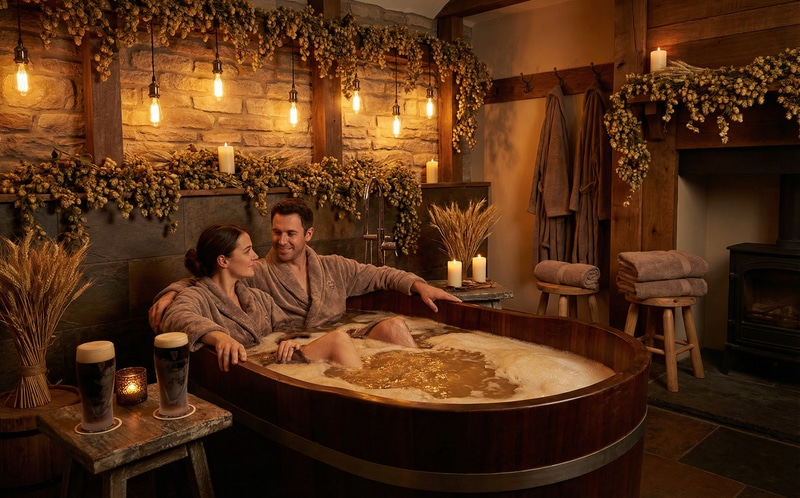
Beer and wine spas represent the ideal intersection of experiential wellness with local culture. The combination of traditional ingredients with a relaxation procedure creates a distinctive product that cannot easily be replicated at home. This segment is growing in Europe at a rate of over 15% per year.
Beer Spas as a Phenomenon
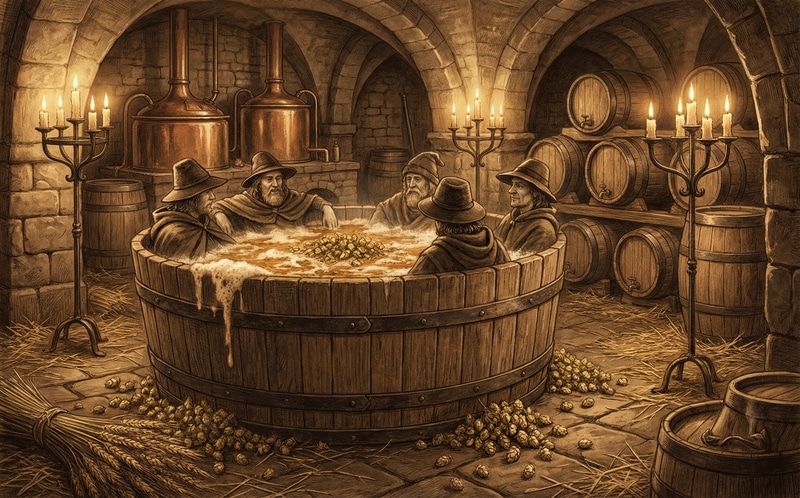
Beer baths have their roots in Czech tradition, but in recent years they have become a pan-European phenomenon. From Prague to Budapest to Barcelona – beer spa facilities are emerging in tourist destinations across the continent.
"Beer spas are a perfect example of experiential wellness – they combine tradition, relaxation and health benefits in one unique package." – Global Wellness Institute, Wellness Trends Report 2025
The health benefits of beer baths are supported by both tradition and modern research:
- Hops – contain flavonoids with anti-inflammatory effects, help with skin problems and promote relaxation
- Brewer's yeast – a rich source of B vitamins that support skin regeneration and overall vitality
- Malt – contains enzymes and minerals that soften the skin and improve its elasticity
The combination of these ingredients in water at 35–38 °C creates ideal conditions for muscle relaxation, improved blood circulation and overall body regeneration. This natural approach to wellness resonates with the growing "clean beauty" trend and preference for natural ingredients.
The Czech Republic as a Wellness Destination
The Czech Republic has exceptional conditions for the development of wellness tourism. The country welcomes more than 22 million foreign tourists annually according to data from the Czech Statistical Office, and the wellness segment accounts for an ever-growing share of this number.
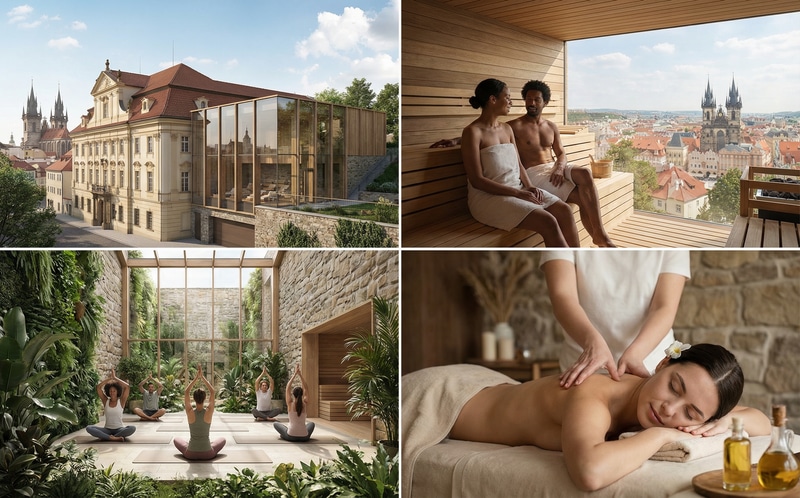
Prague is the natural centre of wellness tourism in the Czech Republic thanks to:
- Strategic location – in the heart of Europe, easily accessible from major European cities
- Strong spa tradition – Karlovy Vary, Mariánské Lázně and dozens of other spa towns
- Beer culture – the Czech Republic is the country with the highest beer consumption per capita; beer spas are a natural extension of this tradition
- Favourable price-to-quality ratio – wellness services at a fraction of Western European prices
The wellness segment in Prague is growing year-on-year by 12–15%, with foreign clients (particularly from Germany, the UK, the USA and Asian countries) accounting for over 70% of revenue at luxury wellness facilities. According to the World Tourism Organization (UNWTO), the Czech Republic ranks among the top 10 European destinations with the highest wellness tourism growth potential.
Investment Opportunities
The growth of the wellness market creates attractive opportunities for investors. Wellness facilities demonstrate stable demand regardless of season or economic fluctuations – people invest in their health even in times of uncertainty.
Key arguments for investing in the wellness sector:
- High returns – operating margins for wellness facilities range between 40–60%
- Recession resilience – wellness is among the industries with the lowest decline during crisis periods
- Scalability – the franchise model enables rapid expansion with a proven concept
- Long-term growth trend – demographic and social factors support growth for decades ahead
The franchise model in the beer spa sector is particularly attractive – investors receive a proven concept, complete know-how, marketing support and access to patented technologies. A total investment from €250,000 with an 18–24 month payback represents an attractive risk-to-reward ratio.
The Future of Wellness Tourism
Where is wellness tourism heading in the coming years? Three key pillars will define the future of the industry:
Sustainability
Environmentally responsible operations are becoming the standard, not a competitive advantage. Wellness facilities are investing in renewable energy sources, waste minimisation and sustainability certifications. Clients – especially younger generations – actively seek out venues with a strong environmental commitment.
Local Ingredients
The globalisation of wellness paradoxically strengthens the emphasis on local identity. The most successful concepts draw from local ingredients and traditions – Czech beer spas use local hops and malt, Scandinavian spas work with birch and blueberries, Japanese onsen with mineral springs. Authenticity is the key to differentiation.
Technology Integration
Technology doesn't just mean digital detox. Modern wellness facilities use IoT sensors to optimise temperature and water quality, AI for personalisation of offerings, and virtual reality for immersive relaxation experiences. Technology serves as an invisible support system that improves the client experience without disrupting the atmosphere of calm.
Conclusion
Wellness tourism in 2026 represents an industry full of opportunities. The growing global market, strong demand for experiential wellness and the Czech Republic's unique position as a wellness destination create ideal conditions for business and investment in this sector.
Beer spas are an example of a concept that perfectly matches current trends – they offer a unique experience, draw from local tradition and have proven health benefits. For investors looking to enter a growing market with a proven business model, this is an opportunity worth paying attention to.
Interested in investing in the wellness sector? Explore opportunities for investors or contact us – we'd be happy to discuss specific collaboration opportunities with you.
Sources
- Global Wellness Institute – Global Wellness Economy Report
- World Tourism Organization (UNWTO) – Tourism and Wellness Overview
- Czech Statistical Office – Tourism Statistics in the Czech Republic